Changing Areas: The Vision of CDA Architects for Modern Living
The Effect of Technological Improvements on the Style Practices of Contemporary Architects
The fast advancement of technological tools has considerably reshaped the design landscape for modern engineers, cultivating extraordinary degrees of technology and sustainability. The assimilation of Building Info Modeling (BIM), parametric style, and expert system has not only structured cooperation amongst diverse groups yet likewise redefined project execution. As architects welcome these developments, they are challenged with complicated obstacles that could influence their creative procedures. Exploring these characteristics reveals a nuanced interaction between innovation and traditional style approaches, motivating a closer assessment of what the future holds for architectural methods.
Advancement of Architectural Tools
How have architectural tools changed the layout and building and construction procedures over the centuries? The advancement of building tools has significantly impacted the performance, precision, and creative thinking of style and building.
With the introduction of the Renaissance, the introduction of the compass and the protractor marked a crucial change. These tools enabled engineers to attain higher accuracy in their layouts, promoting the introduction of even more elaborate and in proportion buildings. The Industrial Revolution further reinvented building exercise with the introduction of mechanized devices and materials, permitting bigger and much more enthusiastic jobs.
In the 20th century, the development of computer-aided layout (CAD) software application transformed the landscape as soon as again, supplying architects with extraordinary capabilities in modeling and visualization. Today, progressed tools such as Structure Info Modeling (BIM) and parametric layout software application continue to press the limits of architectural development, making it possible for a much more incorporated technique to layout and building procedures.
Enhanced Cooperation in Design
As modern technology continues to progress, enhanced partnership in layout has ended up being a cornerstone of contemporary building practice. The assimilation of electronic tools such as Structure Information Modeling (BIM), cloud-based systems, and progressed visualization software has actually changed the way designers, designers, and stakeholders connect throughout the style procedure. These devices help with real-time interaction, permitting groups to share ideas, adjustments, and responses instantaneously, no matter of geographical location.
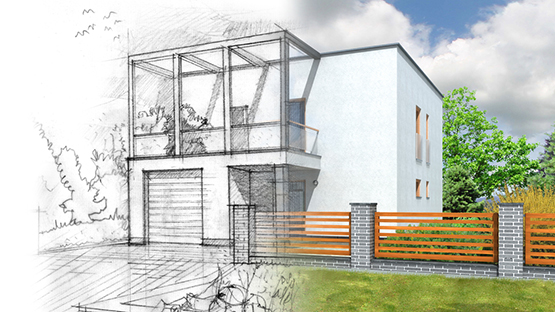
In addition, interdisciplinary cooperation has actually been structured with these technological advancements, enabling engineers to function a lot more carefully with other professionals, such as city coordinators and environmental specialists. The result is an extra cohesive method to design that takes into consideration numerous point of views and know-how. Eventually, enhanced cooperation in style is not merely a fad; it is necessary for producing innovative, practical, and aesthetically pleasing style in a significantly complicated globe.
Sustainability Via Technology
Sustainability in design has actually progressively come to be intertwined with technical technology, driving the industry towards eco responsible methods - cda architects. Contemporary engineers are leveraging advanced innovations to decrease environmental effect while improving the efficiency of structures. One prominent example is using Structure Information Modeling (BIM), which enables specific preparation and resource allotment, minimizing waste throughout construction and promoting energy effectiveness throughout a structure's lifecycle
Furthermore, smart materials and energy-efficient systems are being integrated into styles to enhance source use. Technologies such as photovoltaic or pv cells and green roofing systems harness renewable resource sources, adding to decreased carbon footprints. Furthermore, the application of expert system in style procedures allows designers to replicate and assess power intake, leading choices towards even more lasting results.
The combination of lasting innovations not only aligns with global ecological objectives however likewise meets an enhancing demand from customers for eco-friendly solutions. As architects welcome these technologies, the emphasis moves towards creating spaces that are not just aesthetically pleasing but additionally functionally lasting, thus redefining the standards of modern design. By doing this, technology functions as a catalyst for sustainability, allowing architects to design buildings that regard and enhance the all-natural environment.
Challenges in Implementation
While technological innovations in architecture hold fantastic assurance for improving sustainability, their implementation usually comes across significant obstacles - cda architects. One key obstacle is the high knowing contour related to brand-new innovations. Engineers and building specialists may call for comprehensive training to properly use innovative software and devices, which can postpone job timelines and raise costs
Furthermore, the assimilation of emerging modern technologies, such as Building Info Modeling (BIM) and lasting materials, commonly necessitates partnership throughout multidisciplinary groups. This partnership can be prevented by distinctions in know-how, workflows, and interaction designs, leading to prospective disputes and inadequacies.
Financial constraints even more make complex the fostering of innovative innovations. Lots of building companies, particularly smaller ones, may lack the sources to buy cutting-edge tools, limiting their capability to complete with bigger companies that can manage such financial investments.
Moreover, regulatory frameworks and building codes might not go to these guys equal technological advancements, creating uncertainty and prospective compliance problems. This obstacle can prevent engineers from totally welcoming new technologies, as the risk of non-compliance may surpass the advantages. Resolving these execution difficulties is vital for the successful integration of technological innovations in modern architectural practices.
Future Fads in Style
The difficulties connected with the execution of brand-new innovations in architecture have actually triggered a reevaluation of future trends within the sector. As engineers navigate concerns such as sustainability, urbanization, and social equity, they are significantly embracing innovative modern technologies to enhance design performance and environmental efficiency.
One famous trend is the assimilation of man-made intelligence (AI) in the layout process. AI devices can evaluate substantial datasets to notify design choices, enhancing both imagination and functionality. In A Similar Way, Building Details Modeling (BIM) remains to advance, allowing real-time cooperation among stakeholders and promoting streamlined task management.
Sustainable style techniques are likewise obtaining momentum, with designers concentrating on flexible reuse and regenerative design principles that decrease check here resource usage and waste. The unification of smart materials and renewable resource resources will additionally boost the resilience of buildings when faced with environment change.

Verdict
Technical improvements have actually dramatically improved architectural design methods, facilitating enhanced precision, collaboration, and sustainability. The integration of devices such as Structure Info Modeling and parametric style software application, together with expert system and visit here smart materials, empowers architects to resolve intricate difficulties better. While implementation might present certain barriers, the ongoing evolution of these technologies assures to drive advancement in design. Future patterns will likely further stress sustainability and performance, eventually redefining the developed environment.